
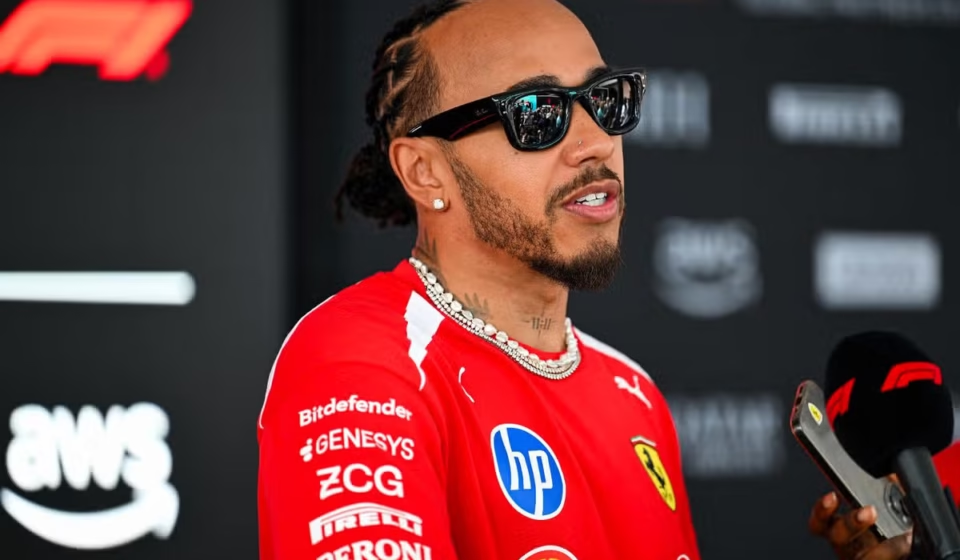

Lewis Hamilton net worth sits among the highest in Formula 1 and ranks high among active British sports figures. Estimates for 2026 place it between roughly $550 million and $586 million, with the Sunday Times Rich List valuing him at about £435 million. These figures are estimates drawn from career earnings, contracts, sponsorships, property, and private investments. Exact numbers remain private because athlete finances involve taxes, spending, management fees, and non-public asset values.
Readers often want more than a single headline number. This article breaks down where the money comes from, how Hamilton’s earnings have grown across teams, the role of endorsements and business moves, and why the range exists. The goal is a clear, factual picture grounded in widely reported data rather than speculation.
Quick Answer: Lewis Hamilton net worth in 2026 is estimated at $550–586 million (£435 million), according to the Sunday Times Rich List and major financial trackers.
How Estimates of Lewis Hamilton Net Worth Are Formed
Public net-worth figures for elite athletes are reconstructions, not audited statements. Analysts combine reported salaries and bonuses, endorsement income tracked by outlets such as Forbes and Sportico, known property transactions, and visible business stakes. They then adjust for typical tax rates, agent fees, living costs, and investment performance.
The Sunday Times Rich List is frequently cited because it attempts an asset-by-asset approach for UK figures. In May 2026 it put Hamilton at £435 million. Other sources, including Celebrity Net Worth and specialist F1 salary trackers, cluster around $550–580 million. Earlier or more conservative models sometimes land lower once heavy deductions are applied. The spread reflects real uncertainty around private company valuations, the precise size of stakes such as the Denver Broncos ownership, and the net value of property after mortgages or costs.
What remains consistent is the ranking: Hamilton is the wealthiest driver on the current grid by a clear margin over Max Verstappen and Fernando Alonso in most 2026 comparisons.
Career Path and the Salary Foundation
Hamilton’s racing income forms the largest single pillar of his wealth. He debuted with McLaren in 2007, won the world championship in 2008 as the youngest champion at the time, and stayed through 2012. Salaries started modest by modern standards and climbed as results and market value rose.
The move to Mercedes in 2013 transformed both his on-track record and his pay. Over more than a decade with the team he secured six more titles (2014, 2015, 2017–2020), tying Michael Schumacher’s record of seven. Later Mercedes contracts were reported in the £40–50 million range annually in peak years, with strong bonus potential.
In February 2024 Hamilton announced he would join Ferrari for 2025. The deal, widely reported as multi-year with an option structure, has been estimated at a $60 million base salary, with total compensation including bonuses potentially reaching higher figures depending on results. Forbes and Sportico data for the period around 2025–2026 put his combined on-track and off-track earnings near $100 million in a recent 12-month window—roughly $70 million from racing and $30 million from commercial activity.
Career F1 earnings before tax are estimated by specialist trackers in the $700 million range or higher when bonuses across two decades are included. After tax, fees, and living costs, a substantial portion has been retained and invested, forming the core of current net worth.
Endorsements and Brand Power
Off-track income has grown into a reliable six-figure-per-month stream. Hamilton’s commercial partners have included long-running deals with Tommy Hilfiger (including co-designed collections), Dior, Lululemon, Rimowa, Electronic Arts, Fanatics, Topps, and others. Fashion and lifestyle brands value his reach beyond pure motorsport audiences.
Forbes has consistently placed his annual sponsorship and business income in the $20–30 million range in recent years. These deals reward cultural visibility as much as race results. Hamilton’s presence at events such as the Met Gala and his work in fashion have expanded the pool of brands willing to pay premium rates.
Aslo read : Kai Cenat Net Worth in 2026: How He Built It
Business Ventures and Investments
Hamilton has deliberately built assets that do not depend on remaining an active driver. Key holdings and projects reported across multiple outlets include:
- A minority stake in the NFL’s Denver Broncos as part of the Walton-Penner ownership group that acquired the franchise in 2022.
- Dawn Apollo Films, the production company he founded. It co-produced the 2025 film F1 starring Brad Pitt, which became a commercial success with hundreds of millions in worldwide box office.
- Almave, a non-alcoholic blue agave spirit developed with Mexican partners; Pernod Ricard later took a stake.
- The +44 clothing and lifestyle brand, focused on limited releases and streetwear aesthetics.
- Earlier investments in plant-based food companies and other consumer ventures, some of which have faced the typical ups and downs of early-stage businesses.
In 2025 he consolidated much of this activity under Lewis Hamilton Ventures (formerly Project 44), creating a clearer corporate structure for partnerships, investments, and brand work. These moves convert racing fame into equity and ongoing commercial platforms.
Property, Cars, and Lifestyle Assets
Real estate forms another visible component. Hamilton has been linked to high-value homes in London (including a Kensington property), Monaco, Switzerland, and previously a New York penthouse bought for tens of millions and later sold at a profit. An estate in Colorado has also been reported. Exact current valuations and any leverage are private, so published net-worth figures apply conservative net estimates.
His car collection, featuring high-end road cars including rare Ferraris and other performance models, is often valued in the tens of millions by observers who track public sightings and known purchases. These assets add liquidity and personal enjoyment but represent a smaller share of total wealth than racing and commercial income.
Comparison With Other Drivers and Athletes
On the 2026 grid Hamilton leads by a wide margin. Max Verstappen’s estimated net worth is commonly placed in the $300–345 million range, Fernando Alonso around $260 million, and most other drivers substantially lower. Career length, championship success, and off-track brand development explain much of the gap.
Among broader athletes, Hamilton regularly appears in Forbes highest-paid lists. His combination of sustained high salary, global recognition, and diversified holdings places him among the more financially successful figures in modern motorsport history, though still well below the top tier of global sports billionaires whose wealth comes primarily from ownership rather than playing.
Why the Numbers Keep Moving
Net worth is a snapshot, not a fixed total. New contracts, strong or weak race results that affect bonuses, investment performance, property markets, and currency swings all shift the figure. The 2025 move to Ferrari reset the salary baseline upward from late Mercedes years. Continued commercial activity and the film production success add further upside. At the same time, high living costs, taxes in multiple jurisdictions, and the natural variability of private-company valuations create the reported ranges.
Observers who focus only on career salary totals can overstate liquid wealth. Those who apply aggressive deductions for taxes and spending can understate it. The cluster of independent estimates around $550–586 million in 2026 offers a practical midpoint for understanding the scale of Hamilton’s fortune.
Looking Ahead
Hamilton continues to race while expanding the business side. The Ferrari chapter, film work, brand portfolio, and sports ownership provide multiple income streams that can outlast a driving career. Mission 44, his foundation focused on education and opportunity for underrepresented young people, also reflects how he directs resources beyond personal accumulation.
For readers tracking athlete wealth, the useful takeaway is less the precise dollar figure and more the structure: long-term elite performance, deliberate brand building, and a shift toward equity ownership. That combination has turned racing success into one of the more durable fortunes in Formula 1.
Frequently Asked Questions
What is the most commonly cited Lewis Hamilton net worth figure for 2026?
Most recent reputable estimates cluster between $550 million and $586 million. The Sunday Times Rich List figure of approximately £435 million is frequently referenced as an asset-based valuation.
How much does Lewis Hamilton earn annually from Ferrari?
Reported base salary is around $60 million per year. Total compensation including performance elements and personal commercial deals has been estimated near $100 million in recent 12-month periods by Forbes and Sportico.
Does Lewis Hamilton own part of an NFL team?
Yes. He is a minority investor in the Denver Broncos as part of the Walton-Penner ownership group that purchased the franchise in 2022.
What businesses has Lewis Hamilton started or invested in?
Notable ventures include Dawn Apollo Films (producer on the F1 movie), Almave non-alcoholic spirit, the +44 clothing brand, and earlier stakes in plant-based food companies. He also holds the Broncos interest.
How does Lewis Hamilton’s wealth compare with other Formula 1 drivers?
He is widely regarded as the richest active driver on the grid in 2026, ahead of Max Verstappen and Fernando Alonso by a substantial margin according to multiple independent rankings.


[…] Lewis Hamilton Net Worth 2026: How He Built It […]